A Survey-Based Key for Holding Two Strands Together

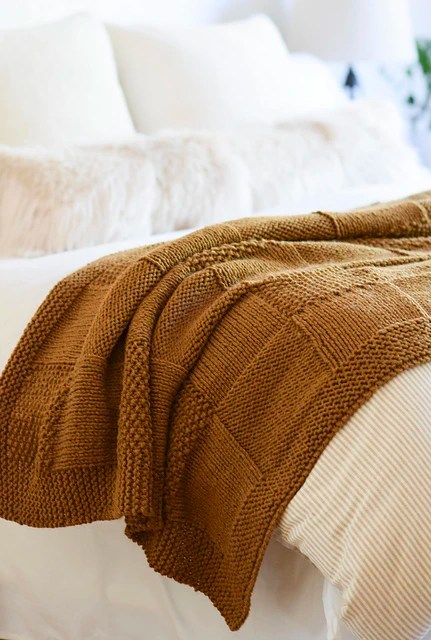
Holding two strands of yarn together can result in beautiful projects. Lately I’ve been drawing inspiration from the KnitPicks book, Better Together: Marled Knits Collection (there’s one for crochet too!).
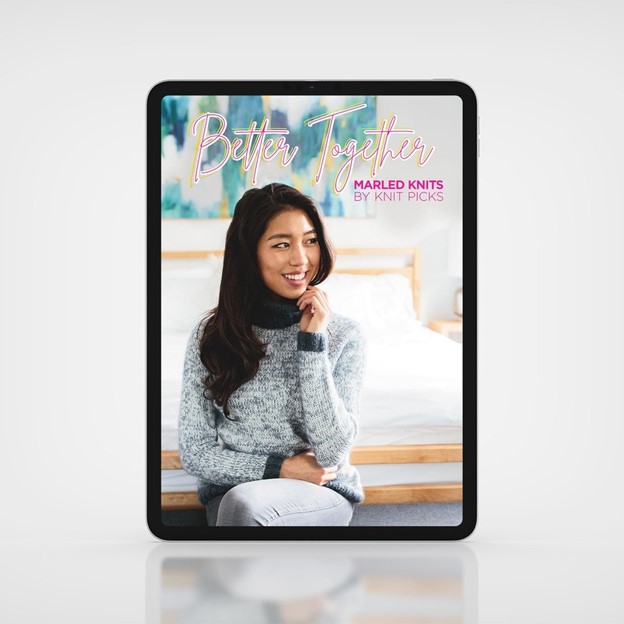
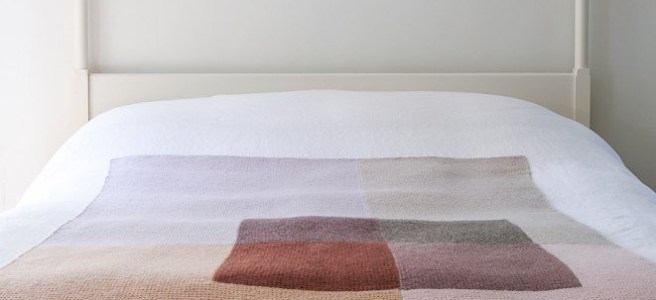
Photo © KnitPicks

In a previous post, I created a table based on collating data three yarn manufacturer’s websites. I found it helpful, but I also found it didn’t map to patterns I was using (based on pattern gauge). It also lacked needle sizing which has a huge impact on what yarn weight you end up with when it’s held double.

So, I put my scientific skills to work and did a Ravelry pattern survey and created a table that includes needle sizing and more designer detail. The methodology can be found at the end of the blog. This was much tougher than collating three sites, I had to look at every pattern doubled in every weight to collect needle sizes and confirm gauge accuracy.

As a teaser, I’m now working on a survey for three yarns held together as well as holding differing weights of yarns together (in twos and threes). Compiling this data is no small task, so please be patient!

First, a map of yarn weights collated from various knitting websites (which don’t necessarily correspond to patterns either!). This is how patterns were “mapped” to yarn weights.

GuideCommon namesSts over 4” or 10cm
Thread*Thread44+ stitches
Cobweb*Cobweb40+ stitches

Lace
Lace, light fingering33-40 stitches

Super fine
Fingering, sock, baby27-32 stitches

Fine
Sport, baby, light DK23-26 stitches

Light
DK, light worsted21-24 stitches

Medium
Worsted, Afghan, Aran16-20 stitches

Bulky
Bulky, chunky, craft, rug12-15 stitches

Super bulky
Super bulky, super chunky, roving7-11 stitches

Jumbo
Jumbo, roving6 stitches or less

* There is a lot of variation in cobweb weight. I believe this is because it isn’t considered a “standard weight, which is why there’s no “yarn skein” provided by knitting and crochet sites. The thread weight was more consistent, but there are few patterns for it.

‡ Overlap of number of stitches with other yarn weights is intentional and consistent with the original sources.

Table for Yarns Held Double

The most likely weight is shown in bold.

Single WeightDoubled WeightNeedle Sizes Range# Patterns
ThreadCobweb1-43
ThreadLace5-73
ThreadLight fingering8-105
CobwebLace2.5-818
CobwebLight fingering5-107
CobwebFingering7-105
LaceLight fingering2.5-34
LaceFingering3-510
LaceSport5-812
LaceDK7-94
Light fingeringFingering2.5-54
Light fingeringSport4-911
Light fingeringDK6-815
FingeringSport3-79
FingeringDK6-916
FingeringWorsted8-105
SportDK3-75
SportWorsted7-1010
SportAran8-10.513
SportBulky10-152
DK/Lt. WorstedWorsted3-57
DK/Lt. WorstedAran6-1017
DK/Lt. WorstedBulky10-155
DK/Lt. WorstedSuper Bulky191
WorstedAran6-812
WorstedBulky8-1115
WorstedSuper Bulky13-193
AranBulky8-10.511
AranSuper Bulky11-1713
AranJumbo19,35,506
BulkySuper Bulky11-1718
BulkyJumbo19,35,5012
Super BulkyJumbo13-19, 35, 5030

Methodology:

  • Ravelry filters were used to narrow the patterns to each yarn weight held double. Since they do not allow you to say which direction, a search for “sport” + “held double” gives you both: “sport + sport = Aran” and “fingering + fingering = sport”. I would switch from the beginning to the end pages to avoid double counting patterns.
  • 30 patterns for each weight were collated, except for thread (there were only 11 on Ravelry).
  • Some patterns claimed doubled yarn weights which do not match the listed gauge (e.g. Jumbo listed as 8 stitches over 4” maps rather to Super Bulky). For consistency, I only used patterns that provided gauge for the knitted item and mapped that to the first table.
  • Smooth (and consistently sized fuzzy) yarns only. Bouclé and other variable weight yarns were excluded.
  • Stockinette where possible for consistency—though in large weights (Super Bulky and Jumbo), garter was included to get a sufficient survey count of 30 patterns.
  • Needle weights were ranges selected from the patterns surveyed. Needle sizes that were huge on small yarns were largely excluded due to “bonkers” (a technical term) variability inconsistent from other patterns.
  • Since DK overlaps with Sport, I used the designer’s choice, rather than pattern gauge.
Words for the New Year

This past week or so I knit and frogged the same sweater multiple times. And before you ask, yes, I swatched.

Am I annoyed? A bit. But I’d rather not repeat the experience I had this past year, in throwing out a garment–yarn and all–that I spent months designing and making after nothing I tried could salvage it.

The new project is Altiplano by Berroco. It’s a pretty reverse-stockinette top designed for a specialty yarn called Mykonos.

Altiplano means river basin and Mykonos is, of course, in Greece.

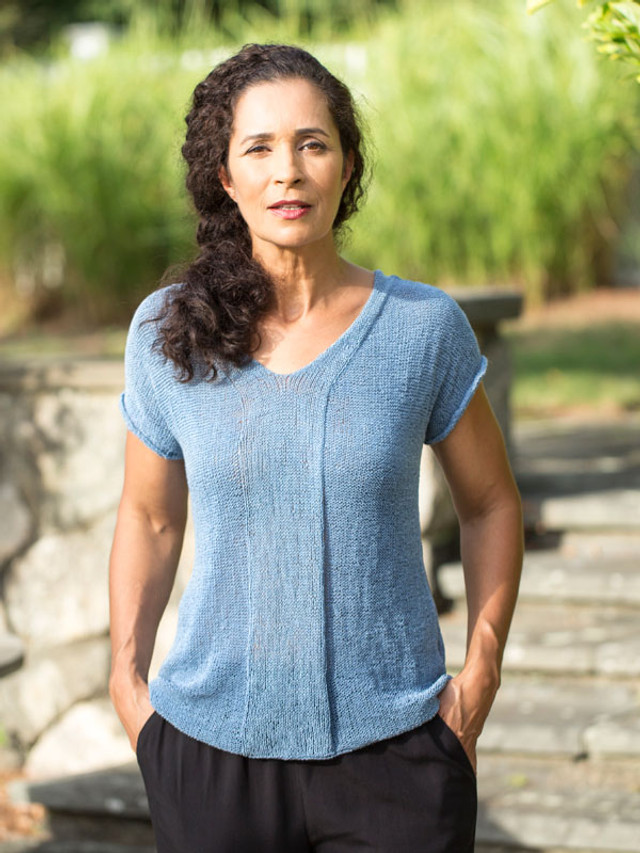
As others in Ravelry pointed out, I was aware the pattern has sizing problems—even if you match gauge. I discovered other issues which are visible in the photo (rolling bottom/sleeve edge and collar). When it didn’t work for the recommended yarn, I tried two others with similar results.

Now that I’m certain the issues aren’t yarn related, I’m going to try again with Mykonos whilst making needed modifications I picked up while I “firkled”.

If you’ve never heard of the verb “to firkle” it’s a new word added to the lexicon in 2024 from an Antarctica research station. It means to mess around until you sort it out. You can find this and the other 10 words highlighted by the BBC for 2024 here. A fun New Years’ read.

And doesn’t “firkle” just sum up working at fiber art to a tee? It’s my new favorite word.

Happy New Year and Happy Knitting!

On the Road Again

During Covid lockdown, I loved the quiet solitude that it afforded. After all, I live in a place many consider a destination. And who’d have thought I’d miss the work travel? Not me, but I do.

When I got back from my last jaunt to the southern hemisphere, the same day I was out working in my garden. A lady stopped by to tell me how lovely my yard looked. Honestly, it’s a bit self-sustaining, so it’s hard to take credit, so I told her I’d been away for a month.

She asked, “Where does someone who lives here go on vacation?”

“Antarctica.” I answered.

“That makes sense.” She answered.

What I didn’t say was I was already plotting another month away to Machu Pichu, the Galapagos and the head waters of the Amazon (Napo River). Unlike my last trip, there was no knitting by the crew. And I didn’t do much either. Just a pair of socks and another project that failed to become anything.

What I’ve been doing is photography. Mostly birds and butterflies.

Which is not to say I haven’t been knitting since I got back. I’m sending a gray wool and silk throw to my niece I have finished, and I have a WIP using the vintage wool I referred to in this post. I didn’t have enough for a throw as some suggested, so I’m making the fitted jacket.

So, what and where next?

Though I’ve traveled a lot of places, I’ve never been to Central America. And as if by magic a “reset cruise” popped up. This is when a company moves a ship from one ocean to the other. It has more “at sea” days, but is managing to make some stops in Mexico, Guatemala, Costa Rica, Panama and Columbia, among other places. My real goal is to get fit after a severe shoulder injury.

Being retired, I can jump onto these trips at a last minute as a solo traveler at bargain prices. So, I’m back to plotting what to take to knit on this upcoming trip in three weeks’ time. Socks for certain, but I have a DK weight top I’m thinking about taking as well.

Socks really are my go-to travel project, even though there was a time I swore I’d never knit another pair, I’ve always got a pair on the needles these days. I’ll have to post some photos of my more recent ones.

I’m thinking I’d like to get more of a discussion going and might start posing knitting questions for you. Tell me what you think in the comments.

Cheers!

The Fresh Scent of Old Wool

The smell of sheep is heady as I slide the yarn out of its sleeve. I’m reluctant as I put the first of 23 skeins on the swift for winding. It’s old yarn. Probably spun before I was born; back when Bear Brand Yarns, USA was still a going concern.

The labels are in good nick, which gives me another pang of guilt. It says, “Permanently Mothproofed” and “Knits in a Jiffy on Big Needles”. It calls the yarn Four Seasons and that it’s a “washable” color. Though the care instructions tell a different story. This yarn will likely felt if not washed carefully by hand.

Bear Brand Four Seasons vintage yarn in a rich teal

The color is surprising—a lovely teal that you don’t often see in vintage yarns. Looking closely, it’s a consistent, solid color, mildly heathered only because it is 100% pure fleece wool. There’s none of the color variation you get with newer yarns or unrelenting fixed color of acrylic. It’s a color I gravitate to when purchasing new yarn and yet I’ve kept it “as is” for more than 25 years, since my grandmother stopped knitting like a treasured antique.

It is that—a treasure. But to leave it unused doesn’t feel right. And in this new year, I want to change that.

As I turn the winder, the smell of sheep brings back memories. I hear my grandmother telling me to be careful putting the hanks on back-to-back chairs for winding. She owned a winder, but not a swift, but she’s most often wind balls by hand because it was “too much trouble to get that contraption” out.

As the 23 small cakes build up (only 71 yards each) these skeins are in the phase of becoming. And that by caking them, they are that much closer to being something warm and loved, instead of languishing in a box, waiting to be used.

Now to choose a project. A blanket or a sweater? It’s a tough choice. Thoughts?

Charity Knitting With the Capitol Hill Knitters of Doom

I meant to talk about it last month, but since a friend of mine already blogged about it, I think I felt a bit like it didn’t matter. We ended up getting a lot of local news coverage (CBS, Seattle Spectator, Capitol Hill Seattle Blog, etc.). It was heartwarming (and body warming) fun!  

In retrospect, I think there are thoughts I can share. For example, beyond charity, reasons why you may wish to consider it.

Fellowship: I loved participating with others in my group. We are not a guild, just a bunch of gals that meet up at a brewery. A common cause to be a force for good made us even more cohesive.

Stashbusting: As I’ve said elsewhere in this blog, I have so. much. yarn. Why not use it for a good cause?

Swatching: You have to be careful here since a hat in the round may not match a flat swatch (the curse of purling). But if you are planning an in-the-round project, as I was, it’s a great test. Or knit a scarf in the new pattern/technique you are trying to perfect.

Joy: It made me happy to think someone in need would be wearing items I made. I love the notion that I may have made a difference. It’s true that woolen socks, hats and scarves only addresses a tiny piece of the challenges facing the unhoused. But there is joy in making whatever contribution you can to those in need.

Important things to consider:

If you do do this, it is important that the items be good quality. Before this opportunity came up, I’d been stockpiling hats to sell at my LYS. And eventually, I’ll do that. The upshot is they were “sellable” quality items. This means that donating them, alongside the men and women in my knitting group, is a meaningful gesture.

It’s also important that the items be washable. For this reason, I used superwash wool or acrylic for all of the donated items.

How to get started:

Our donation was organized by a member in order to keep it local, but I’ve also found great joy in knitting and mailing off red premie hats. And after we got coverage, other groups reached out to us to make suggestions and recommendations. Good acts beget more good acts—a virtuous circle.

Ravelry also has several charity knitting groups. Unfortunately, many of these have gone a bit fallow. So, start a new one and let me know, so I can join!

My knitting group (Yes, we really are called Capitol Hill Knitters of Doom) is always looking for more ideas, so if you have any, please share them in the responses and I’ll pass them along.

Substitution with Vintage or Handcrafted Yarns: How to get care, gauge, yardage and more

Many patterns specify a yarn and number of skeins, rather than yardage making substitution difficult. This post is designed to help you use vintage or any yarn on which you have little information.

I’ll be outlining ways to get yarn weight, yardage and care in order to make informed substitutions. This is especially relevant to me, since I inherited a huge stash of wool from my grandmother when she forgot how to knit when she developed Alzheimer’s.

For this blog I used a vintage yarn Zegna Barrufa Lane Borgosesia dal 1850 Peacock. This yarn is not in the Ravelry database or any other online source.

It seemed like I had a lot of this yarn. My grandmother had 17 skeins (!) in her stash. But that turned out not to be the case. They are on cardboard spools–so there is more air than yarn. I’m also dealing with three different dye lots and minor sun damage. Grandma was a penny-pincher and often bought remainders, smoke/fire damaged and sun damaged, and unlabeled yarns at bargain prices. This is only one example of many “problem children” from her stash.

Getting the Weight:

What you will need:

  • Yarns of several weights that follows the standard yarn weighting accepted today. I generally rely on Cascade Yarn for this, but any major yarn manufacturer will do.
  • Appropriately sized needles for the weights.

Methods:

Twist method: I learned this several decades ago in a class, I believe, Lily Chin taught at one of the early Stitches West. This is where you take a yarn that is a good standard for different weights of yarn.

The trick here is to have lots of “known good” weights of yarn. I have loads of leftovers that work perfect for this.

You hook the yarns around one another and then twist in opposite directions. If there is a “smooth” transition when you run your fingers across the join, you have likely found your closest yarn weight.

For the Peacock, I started with a DK, then tried a worsted, aran and bulky. What I learned was that because of the variance in the yarn, it ranges from worsted to aran and it is too big for DK and too small for bulky.

Gauge swatch: Now that we have an approximate weight. I recommend knitting a gauge swatch of the matching weight yarn and your “unknown” using the same needles. Measure and compare the swatches.

If they have the same stitches to the inch, you are done. If not, knit a swatch with the yarn that is one size up if your mystery swatch has fewer stitches or one size down if your mystery swatch had more stitches to the inch.

And keep your swatch of the unknown yarn. It will come in handy for determining the care.

Getting the Yardage:

What you will need:

  • A yarn swift (I’ve also used chair backs–anything you can measure around)
  • Flexible measuring tape
  • If the yarn is in a skein, a yarn bowl or way to hold it steady while you wind it onto a swift

Method:

  • If yarn is in a hank, place it on the swift and extend the swift to the maximum size; If yarn is a skein, wind yarn onto the swift (Steps 1 and 3 in image below)
  • Measure around the swift (Steps 2 and 4 in image below)
  • Count the number of strands (step 5)
  • Multiply the number of strands by the number of inches (e.g., 50 strands time 60 inches) and divide by 36 (inches in a yard) (not shown)

In my case, I got 50 strands at 60 inches, so that’s 3,000 inches of yarn. I divided this by 36, to get ~83.33 yards. Keep in mind, yarn is sold by weight not length, so you shouldn’t expect to get a round number. After getting the yardage, I wound it back into a skein (Step 6).

With 17 skeins I actually only have about 1400 yards total and only 833 yards of a single dye lot.

Getting the Care:

As you can see from the yarn label, it says to wash in temperature 30 (F or C?), it is possible to use an iron and it is possible to wash with most detergents, but not bleach. This still leaves a lot of missing information.

There are three (maybe more) ways to determine how to launder the fabric you create with this yarn. They are as follows:

  • Look on the label. Sometimes “superwash” or similar phrases are there. In my case the yarn came with symbols and these can be looked up online. I’ve included the reference chart below.
  • Look at yarns with similar composition. On Ravelry there are wealth of yarns which have this information. If you find one of similar percentages, you came mostly rely on this information.
  • The most foolproof way is to swatch (the same one you made for gauge) and do to it anything you might do with the finished item. Wash, it dry it, dye it, bleach it, etc.

Dealing with Multiple Dye Lots or Sun Damage:

The easiest way to deal with inconsistent dying or sun damage is to group them by color and alternate in your most different skeins, every other row. Another thing that works very well is blending it with another yarn for a marled look. If the color problem is minor, it will be invisible.

Do Try This At Home

It can be hard, these days, to get to your LYS. So, I hope this post helps you use up more of the yarn you already have. I’ll be posting an afghan I’m working where I’m blending vintage yarns in an effort to get something both useful and beautiful by using up my grandmother’s stash.

Wooly Skye

In Broadford on Skye, is The Handknitter Having Fun shop. I often find astounding deals of wool there. This year, since socks were my travel project, as if often the case, socks yarn was top of mind. And for another reason as well—I lost a just finished sock on an Edinburgh tram.

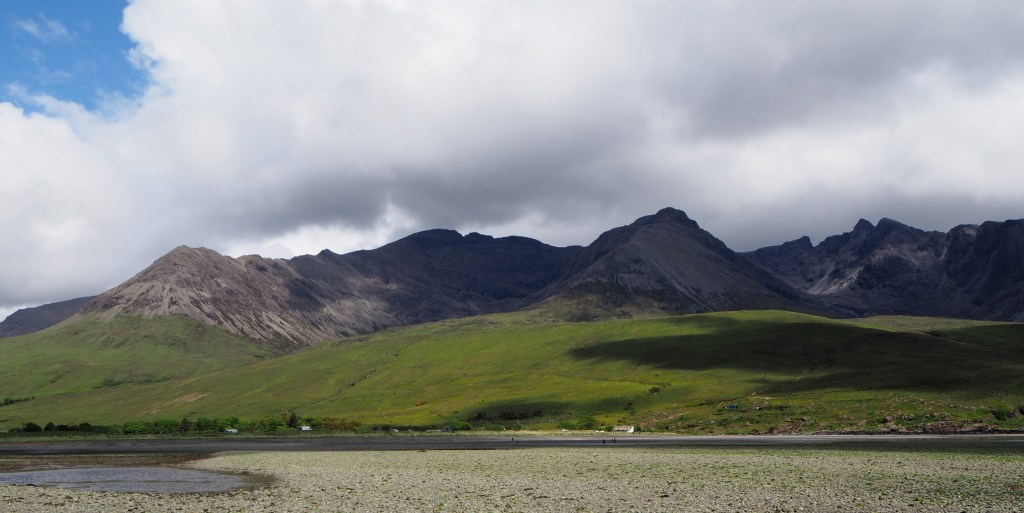
Wooly clouds on the Black Cuillins from the Sligachan Hotel

We time our visits to Skye to coincide with the climbing season. This year we were a week later than usual. I expected it to be warmer than it was two years ago when I brought long-johns and wished for t-shirts. This year the opposite was true. It was cold, rainy and blustery. I on one hike I was wearing almost everything I owned, soaked through and got blown off my feet by a gust of wind.

Reverse view from Loch Scaivaig on a sunnier day

Not to say the trip was a bust—not so! I was there for rest and the weather gave me time for knitting and a bit of shopping. I picked up three beautiful sock skeins and started another pair of socks, having brought two projects for the trip. Here are the three skeins which seem to be color inspired by the location.

Can’t wait to see how the socks turn out. Too bad they take so long to knit!

NOTE TO SELF: hand dyed—don’t use different skeins and expect them to look like the belong together. This said, in spite of cutting the skein in half and caking it in reverse, the Schoppel-Wolle Zauberball® socks I started are variegating in the most peculiar fashion. Even if I make that mistake, it won’t be *this* different.

Even with taking a ball in the middle and caking it opposite, these socks look VERY different from one another

It’s the Big Stuff

“Don’t sweat the small stuff”, my mom’s favorite saying. And it is projects for her and lots of big projects dominating my knitting.

Domestic projects are still ruling the day. Mainly because they are simple and square. That’s about all I can handle right now.

And as I come to the end of another simple squares throw, I’m eyeing my next BIG project.

My mom has put in an order for a long bathmat and a chenille afghan. I let her pick out both colors from online and when they arrived, the gold of the cotton bathmat seems too subtle and the turquoise chenille of the afghan seems—LOUD. Just look at this Ice Yarns mountain!

I think I’ll do the bathmat first, because it will be quick and easy.

With the afghan, I’m hoping to use up a few more of my odds and ends; some dishie my husband didn’t like for kitchen towels and some sparkly stuff that grandma had in dribs and drabs.

And for my next trick?

Well, I’ve fallen in love with Purl Soho’s Shadow Study Throw. I found some Louet Gems on sale and though my first order didn’t quite work out, I think I’ve got a good plan for what comes next.


Where’d It Go? or Seller’s Remorse

My stash is prodigious. It’s mine and my grandmothers with a few of my friends’ grandmothers thrown in. There was a time, in the not too distant past, that knitting was a dying art. So when people saw me knitting, I would get given all the spare yarn that hadn’t been used up.

Yarn Collage
Just a fraction of the yarn from my stash

One Fall when I was on sabbatical I took to photographing and cataloguing all of my yarn—at least the small portion of it that remained after I donated most of it to charity—about 75%. But don’t let that fool you, I’ve still got an immense supply which grows every time I go to a knitting event—much faster, I might add, than I can possibly knit it with a very busy full time job that never seems to end at the end of the day.

To second the Ravelry post on January 6th by MaryHeatherB “Tip: 3 Things to do on Ravelry in the New Year”, Tip #1 is to catalogue your yarn on Ravelry. I highly recommend that you go through the exercise. Now I tend to shop at home because I know what I have and in what quantities. And now that you can “slurp” in photos you won’t have the added hassle I had in photographing 200 yarns.

I’ve been knitting things for the women members of my team and trying to pick up a few new skills along the way leveraging free patterns on Ravelry. One didn’t go so well. I attempted to give Aran Cabled Shrug in Kaya Wool by Crystal Palace Yarns a more modern look by switching the ribbing to garter and adding increases to compensate for the lack of give. I love how it came out, but feel it is a bit too misshapen to give away—not to mention way too small for its intended receiver. I’m still trying to work out a closure for it that helps hide the underarm “bump”.

Next I turned to a different project that I ended up falling in love with—a Bias Scarf by Shelby Dyas. It came out so pretty (and heavy) that it hard to part with. I bought some Lion Brand Homeland in Bryce Canyon and paired it with an unidentifiable yarn in my grandma’s stash—a slick, nylon, ribbon yarn in burgundy by Malibu Mark which reminds me a lot of Anne Blatt’s Antique.

That’s when I got the idea to make a shrug from the pattern—a square you can wear. If it were wider it would be perfect and I knew of just the yarn to pair up with a bit more ribbon yarn—but this time of KNOWN origin, Lane Borgosesia Diamante in a variegated black-taupe-white and/or solid black. On the hunt I went and I came up empty. I searched by stash and it was not to be found. Where was it? I sold it!  And no doubt now these two beauties are probably knitted up, possibly together, in some gorgeous creation.

And there was this VERY old Berroco Glace variegated cotton-blend ribbon yarn which barely deviated from white in the palest of pinks and blue. I was purusing Ravelry, as I often do on weekends, and found a great summer top to use it up with, feeling so proud to be shopping in my stash. Firstly, I couldn’t find it in my stash, but I was certain I still had it so I went to my storage rack… Gone! Well, it wasn’t my color, I rationalized. Er, um. *sigh*

I’m happy to have them get used and there was no telling when I would have used them, so it’s for the best, of that I’m certain. What it did get me to do was “rethink” my trade or sale portion of my stash on Ravelry.

Purposeful Purchases–or not!

Hi-ho, hi-ho, it’s off to Stitches West I go!

I was on the fence about it, but I decided I needed to spend some time with my fellow stitchery folks at Stitches West. Not to mention I am way overdue for some time off from work.

Last year felt a bit solitary, but this year I managed to stay at the conference hotel and run into lots of singles—not unmarried folks—but knitters there on their own. So each night I had dinner with a different crafter from a different part of the country. It was MARVELOUS fun.

IMG_4723
Zauberbal Sock Yarn in Harvest, Stonewash and Heilix Bleche

This year I had plans in place to avoid the purchasing frenzy that happened last year (mostly project bags). So while I waited for the Marketplace to open on Thursday night, a couple of other “singles” and I swapped strategies (over Chardonnay) for keeping ourselves in check. Mine was, don’t buy anything you don’t a project in mind for and no more bags, which for me meant I could buy a few sock yarns—which I did.

A half hour after the market opened we moseyed over and subsequently threw all those strategies to the wind, dashing from aisle to aisle, burdened by purchases. Perhaps abstaining from alcohol before visiting the Marketplace should be next years’ strategy.

The Stitches organizers were far from sympathetic self-proclaiming to be “devils” and querying what was in our bags as we left the market floor. But as we all know those are really in the details of what to knit next!

I have excuses for each purchase. Miss Babs was because of a scarf my neighbor made out of it in my Ridge Heddle Weaving class. The Malabrigio is screaming to be made into a Spiral Staircase Scarf for resale at the resort next door (no restrictions!). Though I have to call “uncle” on the Louisa Harding. That was simply a fabulous price and fills a hole in my stash for light fingering projects.

Next week I’m back to work, but for now I’m hanging out at home dreaming of what to make and filling up my queue on Ravelry!

Happy knitting!